
Maddy Tyers is a Melbourne-based actor, writer and producer who works across screen, theatre, comedy and online projects.
This is part of the Interviews with Creatives series, a curated library of conversations from the Creative Momentum with Meg podcast.
How do you keep making things when your life is already full?
For Maddy, the answer is rarely a perfect stretch of uninterrupted time. It is a lunch break, a weekend nap, a few messages exchanged with her husband Jimmy, or a short window after their daughter has gone to bed. They write ideas in their phone’s Notes app, send dialogue back and forth by text, and sometimes shoot a sketch in the time they can find. It is an unglamorous but resourceful way of working, and it says something useful about creative practice: the conditions do not have to be ideal for the work to begin.
Maddy’s approach is shaped by collaboration. She and Jimmy have been together for years and have developed a shorthand that lets ideas move quickly between them. When a project involves a larger crew, the process becomes more structured, with scripts, rehearsals and clearer communication. The form changes, but the impulse to make something with other people remains. As Maddy puts it, ‘I don’t like working in a silo.’
That instinct for collaboration also shaped her children’s book. Maddy describes how a story emerged during a workshop connected with the Butterfly Foundation, where she was invited to put words to her own lived experience. The story was told from the perspective of her eight-year-old self. What began as a way to articulate something personal became a possible resource for other young people and families. Working with a publisher, illustrator and Jimmy helped her shape it into a book. The experience is a reminder that a story may begin with one person, but it can become something more through the care and insight of others.
Maddy finds material in the ordinary. A small domestic frustration, a moment at a play centre or the familiar negotiations of parenting can become the starting point for comedy. The everyday is not a distraction from creative work; it is often where the work begins. And when she feels depleted, she gives herself permission to step back, go for a walk, catch up with friends or spend an afternoon at the movies. Watching other people’s work can restore her and spark new ideas.
Art inspires art for me too.
There is an encouraging practicality to Maddy’s advice for anyone who wants to make something but has not begun. She remembers the frustration of waiting for an agent to call with an audition, then realising she could create opportunities herself. “I don’t actually have to be waiting to be creative. I can do that on my own. Like, I don’t need permission for that.” That does not mean beginning is always easy, or that everyone has the same amount of time and energy. It does mean we can look for a first step that belongs to us: a pottery class, a page of writing, a sketch, a song, or simply making something because it feels good.
Listen or watch the podcast interview
Prefer to listen? This conversation first appeared on Creative Momentum with Meg. Listen below or continue reading the full transcript.

In a conversation about the home, Maddy’s creative home is both literal and communal: making things with Jimmy in the spaces between work and parenting, and being on set with people she loves. Her story offers a generous reminder that creativity can be a way of connecting with others, paying attention to everyday life and finding a little more room to be ourselves.
In this interview we explore
- How Maddy and Jimmy make sketches and develop projects in small pockets of time
- Why collaboration is central to Maddy’s creative process
- How a personal story became a children’s book with the potential to help others
- Finding comedy and inspiration in ordinary family life
- Why creatives do not have to wait for someone else to give them permission
- How films, walks, friends and rest help refill the creative cup
- What home feels like when your favourite creative place is being on set with your people
Read the full conversation below, or listen to the episode above.
Conversation with Amy Coomer
MT: Hi Meg, thank you so much for having me. I’m so happy to be here. My name is Maddy Tyers, and I am an actor, writer, producer, a bit of an all-skills person, I suppose, based in Melbourne, Victoria. Acting is probably my first love and passion, performing mostly in film and TV, with a comedy sort of strand to my performance, but I also love live theatre and comedy.
I also write. I’ve written for kids’ TV and a children’s book a couple of years ago, so I’ve dabbled in that world, as well as screenwriting. I’m just an overall creative. I make a lot of online content with my husband, Jimmy. We make a lot of funny sketches, and wherever I can, I’m putting my finger in all the pies when it comes to putting myself out there. I’m very, very excited to talk to you about all things creativity today.
MD: I love that you have so many different parts of you that are creative. I really think that most people are creative, they just haven’t discovered it, or they’ve stopped themselves from doing it.
How do the different parts of your creativity feed into each other?
MT: That’s a great question. I think creativity is essentially a huge part of who I am and how I function in the world, so I need it to get me by, really. It’s what keeps me sane and keeps me zen. When life is stressful and tough, and things are thrown at you, which inevitably happens as a person living in the world, creativity is an outlet for me to escape and bring myself back to ground zero, and move on from there.
My creativity plays out in lots of different ways. I have a job that I work Monday to Thursday. I’m part-time at a university, which I love and adore. It’s not overly creative, though, so I find that when I’m working in my day job, I need that creative outlet outside work hours to tick those boxes or fill the cup, dare I say.
That might mean writing, working on a sketch that my husband and I are developing, or working on a series. We’re currently developing a web series. I also help friends with fantastic creations, The Sonny Disposition being one of them.
Wherever I can, I find pockets of time, while also juggling a beautiful two-and-a-half-year-old daughter. It’s that balancing act of parenting, work, life and all of that. Creativity is very important to me, and I think it helps me stay sane, really.
MD: Before we started recording, I asked you about that painting behind you, and you said your mum had painted it. Have you grown up with creative work all around you?
MT: Luckily, I have. My mum’s an amazing musician first and foremost. She’s a folk musician and singer-songwriter, but she also paints and does ceramics. She’s a very creative person, so I think we’ve always had that in our family. Art, in some way, shape or form, has been a space to explore and has helped raise us, really.
My sister and I have both got creative flairs. We grew up around music and film especially. My dad is a huge movie buff, and he definitely inspired my love for film and television. That started at a very early age, going to the movies with him, talking about movies and dissecting them. I think that really grew my passion for film, both on screen and behind the camera.
I’ve always grown up around creativity. Acting, not so much. Neither parent has experience in the acting world. That was something I was drawn to and took myself off in a direction with on my own. But they’ve both been incredibly supportive of my choices and my career over the years, which can be challenging because it is such an unreliable job, as any creative knows.
MD: Hence the three-day-a-week job.
MT: Correct, exactly. You have to pay the bills, Meg, sadly.
Creative Routine
MD: Tell me, do you have a routine for these different parts of your creative work, and is it different for each of them?
MT: That’s such a good question, too. For Jimmy and me, it’s about finding time and allocating it in our weekly schedule, which is quite packed. My husband works full-time as well.
We find little nuggets of time where we can dedicate an hour or so to working on a project in development or shooting something. As I said, we’ve got a daughter, so often it’s weekends when she’s going down for a nap. It’s a case of quickly getting the lights out and shooting that thing.
We’re really utilising time wherever we can. There are nights as well, once we’ve got Winnie down for bed, so we do a lot of things out of hours. That obviously makes things hard because it almost feels like you never switch off. You’re constantly spitballing ideas, and you think, ‘We’ve got time now’, but it’s nine o’clock at night, and that’s the only time we have to work on this or that.
Our time is precious, and we don’t have much of it, but we try to utilise it wherever we can. We also fit things in on lunch breaks. We both work from home a couple of days a week, so we might say, ‘Okay, we’ve got 45 minutes to go back and forth on a couple of things, or quickly shoot that thing we needed to do.’
It’s about being strict and regimented with locking things in and allocating time to do them. Hopefully that answers your question.
MD: I’m just thinking, when do you have downtime in your life, or not?
MT: Look, there’s not a lot of downtime at the moment, Meg. Weekends, absolutely, we put aside time for the three of us to be together and have family time. We try not to do too much creative stuff on weekends, so we’ve put a bit of a boundary around that.
We’ve always got activities planned with Winnie, friends and family, so that’s wonderful time. But Monday to Friday, we’re really pushing it in terms of hours. We both often say we wish we had a few more hours in the day just to get that other thing over the line.
But that’s okay. That’s the juggle of parenting and being a creative, I suppose. Until that one day, Meg, hopefully, when we’re both doing what we love full-time. That would be the dream, and that’s what we’re aiming for. Until then, we’ve just got to fit it in around all the other stuff.
Creative process
MD: Tell me, do you have a process? And, is it different for each of these different ways of creating, going from the seed of an idea to execution?
MT: Absolutely. Jimmy and I have such a shorthand. We’ve been together for about 15 years and married for eight, and we’ve got a daughter, so we know each other really well.
Ideas can come at any point. It might be the middle of the night when you wake up and think, ‘Oh my God, I’ve got this idea for a sketch, or a movie, or a short film.’
We use the Notes app on our phones a lot, so there’s plenty of jotting down ideas. We text each other when we’re at work, saying, ‘Oh my gosh, I think this would work for a sketch. What do you think about this idea?’
Walking is a really great source of creative inspiration and flow for me. I’ll often take the dog out for a walk with my notes, and dialogue or scripts will come to me that way.
Then I’ll send whatever I’ve whipped up to Jimmy. He’ll review it and suggest tweaks, send it back, and so on. This is all in text messages, mind you. We’re not creating big, flowing script documents and sending them back and forth over email. Our process is very casual.
Then we’ll grab an hour when we can over a lunch break and shoot a sketch. The dialogue will literally be in our phone’s text message thread. That’s how we work. It’s very lo-fi, but when it comes to things that are more structured and involve other people, such as a crew, things change.
Jimmy and I started our own production company last year, Win Win Productions, which is a nod to our daughter, Winnie. We’ve shot three short films in the last seven months, which has been unreal. Again, we’re utilising whatever downtime we can. All three shorts were shot on Saturday mornings, when we had a couple of hours with a babysitter.
With that kind of setup, there’s much more structure and professionalism. We might include rehearsals with the cast, email proper scripts and make sure communication is strong.
It depends on the project and who we’re working with, but the dynamic between Jimmy and me is very flexible and fluid, with a lot of improvisation.
MD: When you were writing your children’s book, what did you borrow from the processes you have with Jimmy or with working with a crew?
MT: That’s such a great question again, Meg. Writing the book was a really interesting experience. It came about in a way you wouldn’t expect. It wasn’t something I set out to do.
For a very long time, I’d been involved with the Butterfly Foundation, an incredible Australian charity that supports people and families going through eating disorders or body image issues. It’s something I’ve struggled with and lived with for a very long time, and they’ve been a huge support for myself and my family over the years.
For a number of years, I’d worked with them as a facilitator, going into schools and running workshops with children from primary school through to high school. We’d talk about body image, self-esteem and different themes around those issues.
Through that work, Butterfly ran a separate workshop for facilitators, focused on discovering and working through our own lived experiences so we could share our stories in those sessions or in family therapy settings.
I went along, and it was an amazing weekend workshop. We learned how to put words to our experiences. By the end of the two days, I’d written a story from the perspective of Maddy at eight years old, which was when my issues first started to become apparent.
One of the lovely facilitators suggested that it would be a really useful resource for people to see this experience told from a young person’s point of view. Unfortunately, eating disorders are becoming more prevalent among young children, including children younger than eight, which is quite confronting.
To think that someone found my story interesting, and that it could potentially help someone else, was really interesting and exciting for me.
From there, I connected with a publisher in Brisbane, who then wonderfully connected me with a gorgeous illustrator, also from Brisbane. The three of us collaborated over about a year, working out how we wanted everything to come together and be presented.
Jimmy was very much involved in that process. He knows me and the way I work so well, so I’d write first drafts and he’d look at them and suggest changes. My publisher did the same.
That collaborative way of working is definitely how I work best. I don’t like working in a silo. Even on a project that was mine, I really appreciated other people’s feedback and thoughts.
The same was true of Siobhan, the illustrator, who created beautiful watercolour paintings alongside my words. We worked together to make sure we were both getting the message across and that there was a flow to it.
So, yes, I think collaboration is very much the key to creativity.
MD: Yay! I was actually picking up on that. I love how you’ve borrowed the collaborative approach you’ve used in so many other things to get that book written.
MT: Yes, and that’s the joy of creativity, too, right? A lot of this stuff lives inside us. They’re stories and things we want to tell the world, but that inherently comes with being and sharing with people.
For me, I’ve got these stories I want to tell, but I couldn’t tell them without all the other amazing people who make up that story. It’s about bringing everyone together.
Generally, beyond creativity, community is such a huge part of who I am. Family, friends, community in the theatrical space, but also community in the place where we live. I have a very strong pull to draw people together, so being able to do that creatively really fills my cup.
I love doing it. I love meeting people, networking and all that kind of stuff.
Creative inspiration
MD: Tell me, where do you get your inspiration from? I understand the picture book, and thank you for sharing that story with us. But the stuff you do with Jimmy and your other work, where does that inspiration come from?
MT: Most definitely, it’s the everyday. It’s so funny. I often find it’s the mundane, particularly because Jimmy and I are most strongly drawn to comedy.
Being a parent to a toddler is an endless source of comedy and content, Meg, I can tell you. In fact, we’ve just written a web series that we’re trying to get funding for at the moment. It’s a comedy about parenting, so we’re drawing heavily on everyday life.
Sometimes it’s really mundane stuff that we flip around and ask, ‘But what if?’ Jimmy and I getting frustrated with each other in the kitchen about who’s taking up more space is actually the basis for a sketch.
MD: Absolutely.
MT: The everyday things that tickle our fancy make us wonder how we can make them a bit weird, kooky, funny or out there.
We’re constantly thinking of stuff, too. We’ll be out with Winnie at a play centre on the weekend, something random happens with another parent, and we’ll think, ‘We’re storing that one for a rainy day.’
So, yes, everything and everywhere, I would say.
Creative Wisdom
MD: If you were meeting someone who was at a stuck point or wanted to dip their toe into some kind of creative work, whether in the areas you work in or something completely different, what wisdom would you want to share with them?
MT: I think the wisdom and the lessons I’ve learnt over the years, Meg, are just to do it. You’ve got nothing holding you back. If you’ve got an idea or an itch to write, sing or play an instrument, just go and do it. Life’s too short.
If you’re wanting to be an actor, you can sit around waiting for the phone to ring and that magical job to come along. Or you can be waiting for someone to say, ‘Here’s a guitar. Go and learn. I’ve booked you in for a lesson.’
But at the end of the day, you’ve got to drive it. It’s not going to happen without you.
A lot of my early days as an actor involved waiting around. Back in my early twenties, when I was still young and new to the industry, I’d wait for my agent to call and tell me I had an audition. I’d be really disappointed when that didn’t happen, or when an audition did come along and I got knocked back.
Taking things into my own hands was such an empowering thing to do. I realised I didn’t have to wait to be creative. I could do it on my own. I didn’t need permission.
So, just go out and do it.
I was having this conversation with a lovely colleague from work who said she loved writing but hadn’t done it for ages. I told her to go and do it! She said she didn’t know where she’d do it or where she’d put it, so I sent her a couple of links to online platforms and forums, including Substack.
She started a Substack and began writing some cool stuff. I’m like, ‘Unreal. That is so cool.’ She’s got the bug now because she’s started and is putting her work out into the world.
The only thing holding you back is yourself. I’m a bit of a go-getter like that. I don’t like to sit still, so if I want to do something, I’ll just go and do it.
It’s easier said than done for a lot of people, but if you’ve got that itch to do something, I think you should bite the bullet and give it a whirl.
MD: I agree. I think we can think about it a lot and ruminate on it, but just get in, make a mucky mess and have a play.
MT: Literally! Another girlfriend of mine works in a very important corporate job and doesn’t get much creativity in her day-to-day life. She’s very creative underneath, though, and doesn’t have that outlet.
She’s just started a pottery course on a Wednesday night, and she’s loving it. She’s getting messy and throwing clay around for a couple of hours. She’s obsessed. She did this beginner course and is going to go on to the next one.
I was like, ‘Unreal! How good is that?’ Anyone can go out and be creative.
MD: And I’d actually take that a bit further: everyone needs to.
MT: Oh, absolutely. You’re so right. I think everyone’s got it in them. The outlet will depend on the person, but it’s important.
As I said, creativity is part of who I am, and I need it to stay sane. But it also takes away the mundanity of life. It’s stress relief, and it’s meditative. I find writing, or playing music, singing or working with clay, is so good for the brain and the nervous system, all of that stuff.
MD: I think sometimes we need to take away the pressure to produce something that has to be huge or important to other people. Just do some pottery because it’s fun to play with clay.
MT: And get your hands dirty. Turn your phone off for a couple of hours, because you can’t physically touch your phone when you’ve got your hands in clay. It’s so good! It’s actually so good.
MD: Knit a swatch that no one needs to see.
MT: Totally.
Filling the creative cup
MD: What fills you back up creatively when you’re feeling a bit dry or run out of ideas?
MT: Totally. That happens to all of us, right? Life can get tough, busy and stressful.
Sometimes I just need to take a break. I don’t need to put pressure on myself to produce something this week or for a couple of weeks. I need to take my foot off the gas, let things settle, have a breath and do some nice things for myself.
That might mean going for walks, exercising or catching up with friends. I fill my cup that way, and then the creativity will come.
I was actually feeling a bit like that last week, to be honest, and I took myself off to the movies. It’s my favourite thing to do. Jimmy will say, ‘Just go and have a couple of hours to yourself’, and I’ll always go to the movies because it’s my favourite place, especially on my own.
I love sitting in the dark for a few hours and seeing a movie I’ve wanted to watch for a while. It fills my cup. It’s restful and restorative, but I’m also being inspired by what I’m watching.
I saw a fantastic film called The Visit, the new film with Olivia Wilde and Seth Rogen, and absolutely adored it. I came home thinking, ‘Oh my God, so many ideas!’
Art inspires art for me, too. Art is a way of filling up the cup.
Home for creativity
MD: What feels like home for you and your creative work?
MT: I think I’d have to say, again, just being at home with Jimmy, spitballing ideas and making stuff in the 25 minutes we’ve got left of our lunch break, or whatever it may be.
As daggy as that sounds, the two of us work so well together, and we have so much fun doing it.
Equally, I think home is being on set. No matter what set, I just love being on set with my people. If I could do that every day, I would be the happiest person on Earth.
I particularly love working on things with all my friends. The Sonny Disposition is a perfect example of that, a series I’ve just worked on with a bunch of my best mates.
We got to make this show over a month, spending every day on set with all my favourite people and having so much fun. It was literally a pinch-me kind of experience. ‘How are we even doing this? This is wild.’
That’s home for me. That’s my happy place, for sure.
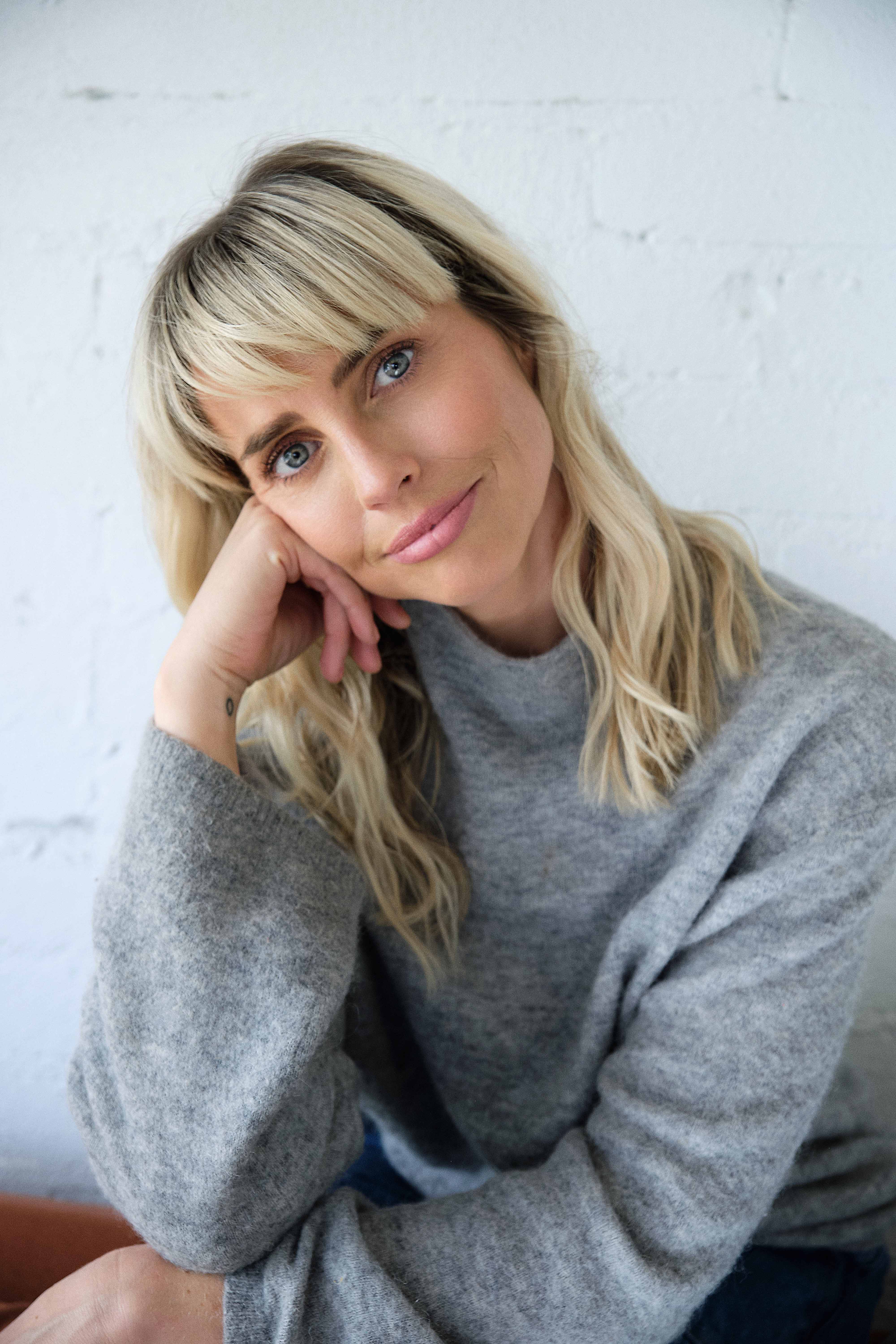
Connect with Maddy
Maddy is a Melbourne-based actor, writer, producer and voiceover artist, and co-creator and producer of Win Win Productions. Credits include Neighbours, Back in Very Small Business, City Homicide, The Elephant Princess and Lego Masters Australia.
- Website: maddytyers.com
- Instagram: maddytyers/
- Facebook: maddy.tyers
- TikTok: maddytyers
- YouTube: Win Win Productions
- Podcast: Sonny Disposition
More interviews with creatives


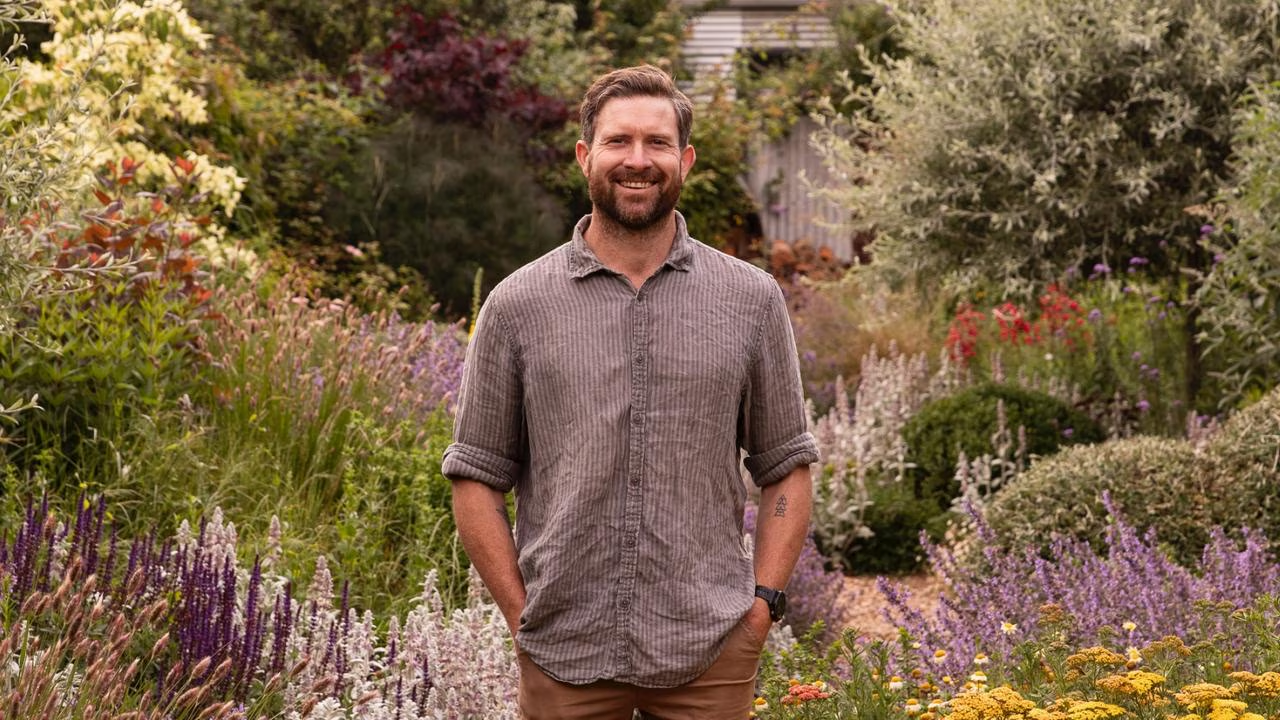


Enjoyed this conversation?
If this story inspired you, encouraged your own creative practice, or gave you something to think about, I’d love you to share this interview with another writer or creative.
Creative Momentum with Meg, a podcast of conversations with creatives
This interview originally appeared on the Creative Momentum with Meg podcast, where I talk with writers and creatives about how and why they do their creative work.
Explore more conversations about creative process, inspiration, routines, challenges and the many different ways people bring their ideas to life.

S2E30: Maddy Tyers, actor, writer and producer, on collaboration and creation – Creative Momentum with Meg
Listen or watch Creative Momentum with Meg
Want to be part of the Home Season?
I’m always looking for Australian creatives of all kinds to share their stories. If you’d like to be considered for a future interview, register your interest.
Looking for support with your own creative work?
Momentum is where writers and creatives come together to build consistent creative habits, find encouragement and keep moving their projects forward.